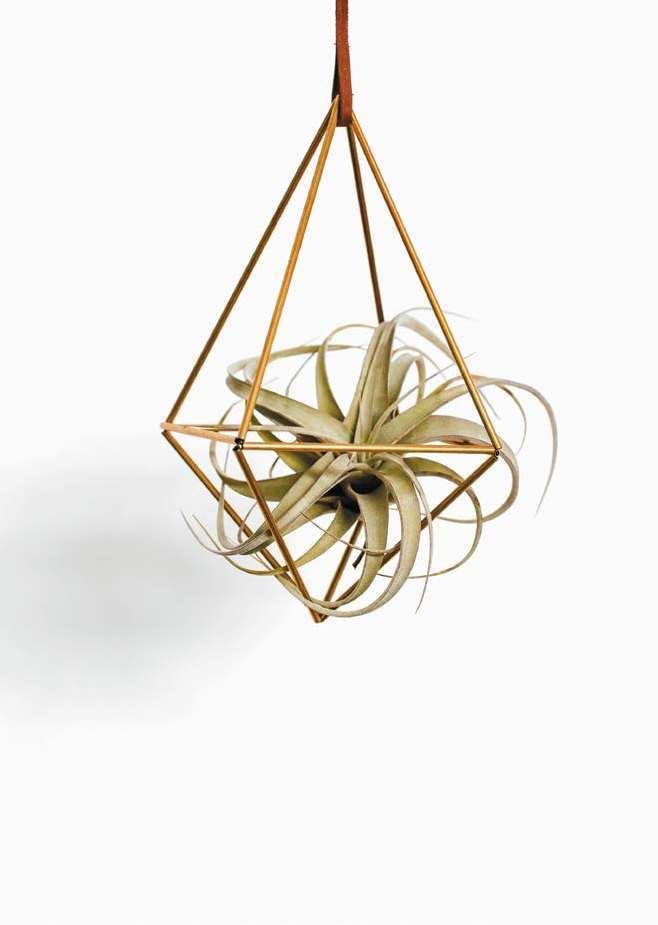
A few houseplants invite a different approach. Carnivorous species need specialized water and moisture, while air plants grow without potting mix. Give these plants conditions that match their natural habits rather than treating them like ordinary potted foliage.
Pitcher plant
Sarracenia develops colorful tubular traps that attract insects. Remove dead pitchers as needed and keep its growing medium consistently moist.
Care: Bright light; frequent watering with rainwater, distilled or deionized water; consistently moist suitable medium.
Chinese money plant
Round leaves on long stems make Pilea peperomioides instantly recognizable. Small offsets can be separated once they have developed enough size and roots.
Care: Bright indirect light; moderate watering; rotate the pot for even growth.
Spanish moss
Long strands of Tillandsia usneoides can drape from a hook or shelf without soil. Air movement is essential.
Care: Bright indirect light; regular wetting and thorough drying; no potting mix.
Giant tillandsia
This larger air plant has broad silver leaves and may display pink-purple flowers for an extended period.
Care: Bright light; soak periodically, then shake out water and dry completely.
Sky plant
The silver-green foliage can blush pink before purple and yellow flowers appear. It works well on a piece of driftwood or in a hanging display.
Care: Bright indirect light; periodic soaking and complete drying.
Tillys
A tough air-plant form that can grow on trees or sandy ground in nature. Pink bracts and purple flowers add seasonal color.
Care: Bright indirect light; water regularly and let the plant dry in moving air.
Shirley Temple air plant
Curled foliage gives this plant its playful name. It favors somewhat drier conditions than many air plants.
Care: Bright indirect light; rinse or mist periodically and dry thoroughly.
After watering an air plant, turn it over gently to remove trapped water and leave it in a well-ventilated spot until dry. New pups can eventually be separated from a mature parent plant when they are large enough.