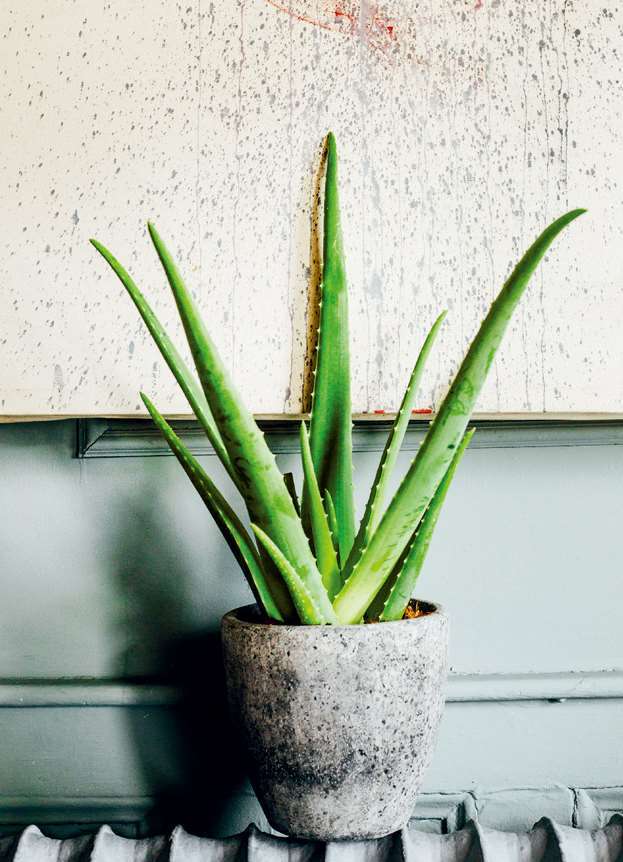
A plant can look perfect in a shop yet struggle in its new home. Before buying, decide where it will live and how much light that spot actually receives. The size of a room, the distance from a window and the time you can spend on care all matter more than a dramatic label on the pot.
Start with the room
Walk through your home in daylight. Notice which windows receive direct sun, which corners remain bright without sunbeams, and where a plant would be several feet from the glass. An east-facing sill often suits a different plant from a hot south-facing one. A large specimen needs space for its mature leaves and a stable pot; several compact plants may work better on a narrow shelf. Leave room to reach the plant for watering and inspection.
Consider air movement and temperature as well. A radiator, air-conditioning outlet or frequently opened cold door can stress a plant even when the light looks right. If you have pets or young children, check a plant’s toxicity and place it safely before purchasing.
Inspect the plant before it comes home
Look for firm stems, new growth and leaves that match the plant’s normal color. Turn over several leaves and check the joints where leaves meet stems. Webbing, cottony clusters, sticky residue or moving insects are reasons to choose another specimen. A few old leaves near the base may be normal; widespread yellowing, mushy stems or a sour smell from the pot are more concerning.
Lift the nursery pot and feel its weight. Soil that is bone dry or waterlogged does not automatically mean the plant is lost, but it calls for a closer look. Check whether roots are circling densely through the drainage holes. A moderately rooted plant is fine; a hard mass of roots may need repotting soon. Avoid buying a plant with an unstable trunk or damaged crown just because its container is attractive.
Choose a useful size
Small plants usually cost less and give you room to learn their growth habits. Larger plants make an immediate impact but are harder to move and may react more noticeably when conditions change. A group of small, compatible plants can provide a full display without crowding one oversized tree into a tight room. Keep each plant in a separate draining pot inside its decorative container so you can water it according to its own needs.
Once home, give the new plant time to adjust. Keep it away from your other plants for a short observation period, then move it into the spot you chose. Check moisture with a finger rather than following a rigid calendar. The healthiest purchase is the one that fits the room and remains easy to care for after the excitement of bringing it home has passed.