Trailing stems can soften a shelf, while a climbing support lets the same kind of growth move upward. These six plants differ in leaf texture and moisture needs, so a display can look varied without treating every vine the same way.
Arrowhead plant
Syngonium begins with arrow-shaped leaves and can later develop longer, climbing stems. Variegated forms benefit from bright indirect light. Keep the mix lightly moist during active growth, reducing water in winter. A small support or regular pruning can control its shape.
English ivy
Small lobed leaves can spill over a container or climb a support. Variegated ivy needs enough filtered light to retain its pattern. Keep the mix from drying completely but avoid waterlogging. Watch for spider mites in warm, dry rooms, and prune vines before they become tangled.
Heartleaf philodendron
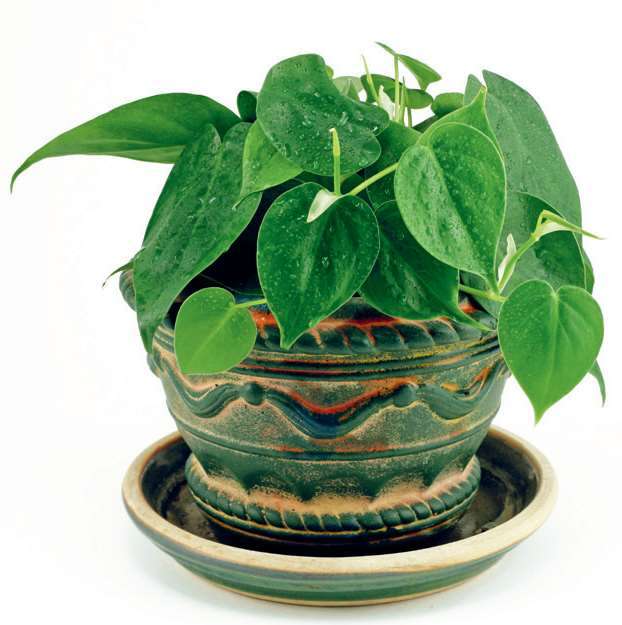
This adaptable vine has heart-shaped leaves and can trail or climb. New leaves often grow larger when stems have suitable support. Bright indirect light is ideal, though it tolerates less. Water after the upper few centimeters dry; yellowing leaves can be a sign to check for overwatering.
Wandering dude
Tradescantia zebrina brings striped purple and silver leaves to a hanging pot. Its fast growth makes it easy to refresh with cuttings. Give it bright filtered light to preserve color and water when the top of the mix dries. Pinch long stems to encourage a fuller plant.
Pothos
This familiar vine is useful for both shelves and vertical supports. In a dim room, growth slows and variegated leaves can turn greener. Choose medium to bright indirect light and water when the upper layer has dried. Let excess water drain, and root stem cuttings from nodes if you want a fuller pot.
Wax plant
Hoya carnosa has thick leaves and may produce fragrant clusters of star-shaped flowers when mature. Its vines can wrap a hoop or trail over a shelf. Use an airy, draining mix and bright light without scorching midday sun. Let part of the mix dry before watering and reduce water in cooler months.
A support, hanging hook or pruning plan should be chosen while the plant is small. Check the pot itself when watering: a trailing canopy can hide wet soil or a saucer that has filled up.