Cacti are often grouped together, but a desert cactus and a forest cactus can need quite different conditions. Desert species generally prefer stronger light and long dry intervals. Forest species usually take filtered light and may appreciate more humidity. Both need containers that drain.
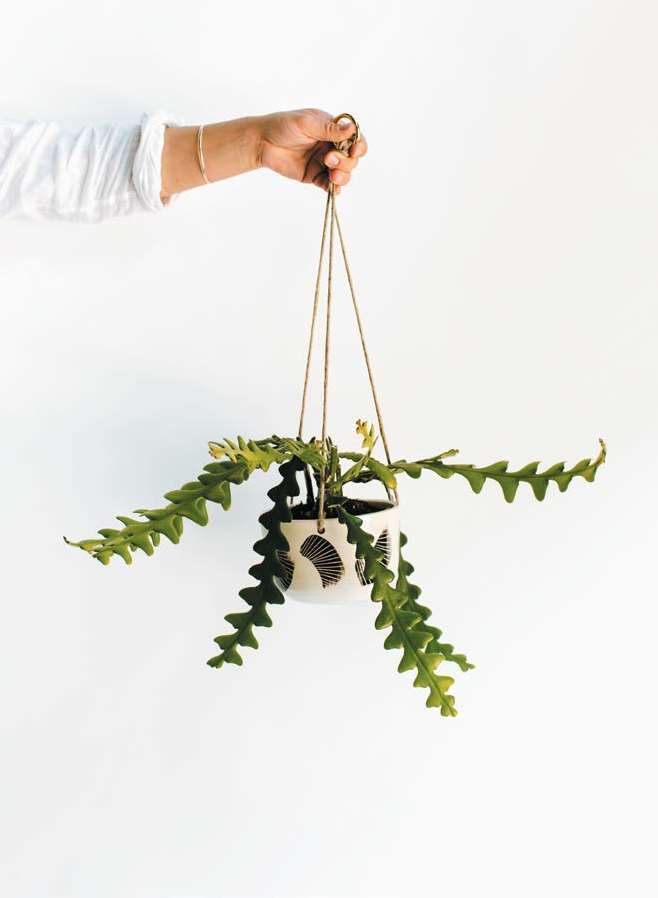
Fishbone cactus
The flattened, zigzag stems make an attractive hanging plant. This epiphytic cactus can produce a short-lived night flower.
Care: Bright indirect light; water after the mix partly dries; good drainage.
Golden barrel cactus
Golden spines trace its rounded ribs. Slow growth and a compact outline make it a striking choice for a sunny spot.
Care: Bright light; coarse cactus mix; keep the roots out of standing water.
Mistletoe cactus
Thin, trailing stems distinguish this forest cactus from its desert relatives. It can suit a more humid room with gentle light.
Care: Indirect light; water moderately and allow drainage.
Starfish flower
This unusual stapelia is a succulent, not a true cactus. Its large star-shaped flowers can smell of carrion, which attracts pollinating flies.
Care: Bright light; sandy, fast-draining mix; minimal winter water.
Powder puff cactus
Soft-looking spines and occasional pink or purple flowers give these compact mammillarias their appeal.
Care: Bright light; sandy mix; water sparingly, especially in winter.
Bunny ears cactus
Flat pads grow in pairs that suggest rabbit ears. The tiny detachable glochids can irritate skin, so handle it with protection.
Care: Bright light; low-frequency watering; gritty cactus mix.
Before placing a new cactus, find out whether it comes from a sunny, dry habitat or a shaded forest. That distinction makes the light and watering choices much easier.