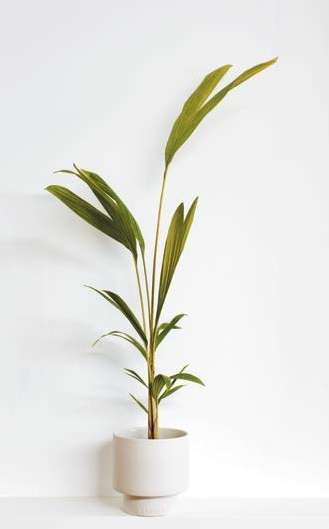
A pot is both a home for roots and part of a room’s design. Start with function: consider the root ball, the plant’s height and the need for drainage. A pot only a few centimeters wider than the current one is usually a safer step than a much larger container, which leaves extra wet mix around a small root system.
Choose a container
Terracotta is porous and lets a mix dry more quickly, making it useful for plants that dislike staying wet. Glazed ceramic comes in many finishes and can retain moisture longer. A nursery pot can be placed inside a decorative outer pot; this makes it easy to remove the plant for watering and drain it thoroughly. Hanging pots suit trailing plants, provided their supports are secure and the plants can be reached for care. Self-watering pots can help with plants that like steady moisture, while baskets and fabric covers work best as outer containers that can be removed before watering.
When and how to repot
Roots emerging from drainage holes or markedly slower growth may mean a plant is ready for a fresh pot. Spring is often convenient because growth is beginning. Loosen the old pot gently, lift the plant without pulling on its stems, and shake away only the mix that releases easily. Inspect damaged roots and trim them with clean shears. Add fresh mix to the new pot, place the plant at its previous depth, fill around the root ball without compacting the mix hard, and water according to the needs of that species. Handle spiny cacti with thick gloves or folded paper and allow disturbed roots to settle before watering if appropriate.
Arrange plants with purpose
Mix upright forms, broad foliage and trailing stems to create depth. A large ficus or bird of paradise can stand alone as a focal point. Plant stands add height, while pothos, hoya and string of hearts can spill from shelves or hanging pots. A sunny windowsill can hold a collection of cacti and succulents with contrasting shapes.
Group plants with similar light and water needs. This makes care easier and can create a slightly more humid microclimate for tropical foliage. Leave enough room to inspect and water every pot, and let the arrangement evolve as the plants grow.